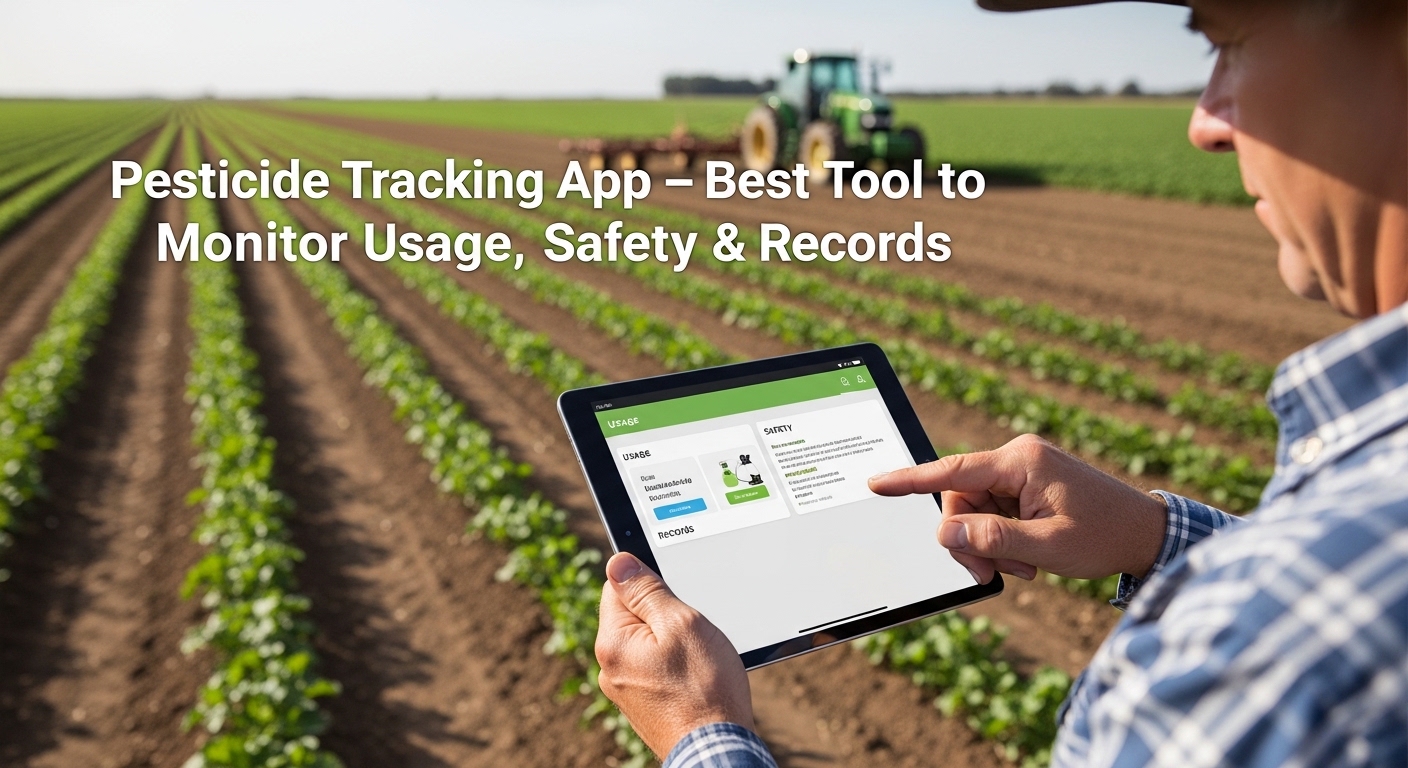
A pesticide tracking app is a helpful digital tool that lets people record and watch how they use pesticides on farms, gardens, or other places. Farmers and workers often spray chemicals to protect crops from bugs, weeds, and diseases. Yet keeping track of every spray by hand can be hard and easy to forget. That is why many people now turn to a pesticide tracking app. It makes the job simpler, safer, and clearer.
Keeping good records matters a lot. Pesticides can help plants grow strong, but they must be used the right way. If someone uses too much or sprays at the wrong time, it can harm people, animals, or the soil and water nearby. A pesticide tracking app helps everyone stay safe and follow the rules. In 2026, these tools have become even better with new features like quick phone entry and clear reports. They give fresh ways to manage pesticide usage while protecting health and the land.
Why People Need to Track Pesticide Usage Carefully
Farmers wake up early to check their fields. They see bugs eating leaves or weeds growing fast. So they decide to spray. After that, they need to remember exactly what they used, how much, and when. Without clear notes, mistakes can happen later.
For example, one farmer sprayed a field but forgot to write down the wind speed. Days later, some spray drifted to a neighbor’s garden and hurt the flowers. Good records would have shown the conditions and helped explain what happened. This means tracking helps avoid problems with neighbors or rules.
Another thing is safety for workers. Pesticides need time before people can walk in the field again. A pesticide tracking app reminds users about these waiting times, called re-entry intervals. Over time, this protects the health of everyone who works on the farm.
In addition, laws ask for records of certain pesticides, especially the stronger ones called restricted use pesticides. Rules say to write down the product name, the amount used, the date, the place, and who did the spraying. A good tracking tool puts all this information in one safe spot. Because of this, farmers feel less worried when inspectors come to check.
How a Pesticide Tracking App Works in Simple Steps
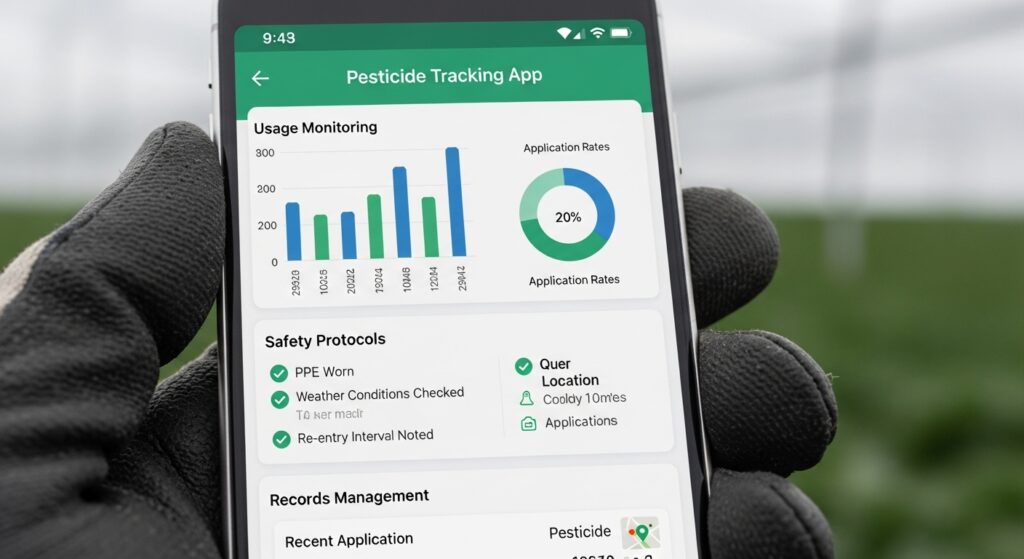
Using a pesticide tracking app feels like keeping a smart notebook on your phone. First, you open the app when you get ready to spray. You pick the field from a map on the screen. Many apps use simple satellite views, so you tap the exact spot.
Next, you choose the pesticide from a list. The app often shows the name and important details from the label. After that, you type or select how much you mixed and how you sprayed it, like with a backpack sprayer or a big machine. You also add the weather, such as temperature and wind direction, because these things affect how the spray works and where it goes.
The app saves everything right away with the time and date. Some even let you take a photo of the field or add notes about the bugs you saw. This means all your pesticide usage records stay together and easy to find later.
Over time, the app builds a history for each field. You can look back and see what worked best against certain pests. For instance, one farmer noticed that spraying early in the morning gave better results than in the hot afternoon. Because the app showed the patterns clearly, he changed his plan and saved time and money.
Key Features That Make Tracking Easier and Safer
A strong pesticide tracking app has several useful parts that work together smoothly. One important feature is the ability to record details quickly in the field. You do not need to wait until you get home to write everything down. This helps because memories can fade after a long day of work.
Another helpful part is safety alerts. The app can remind you about the pre-harvest interval, which is the time you must wait before picking crops after spraying. It also tracks restricted entry intervals so no one enters the area too soon. These reminders protect people and make sure the food stays safe to eat.
In addition, many apps let you create simple reports with one tap. You can print them or send them by email when needed for rules or buyers. This is handy for farms that sell to stores that ask for proof of careful pesticide use.
GPS mapping is another nice feature. It shows exactly where you sprayed and helps you avoid spraying the same spot twice by mistake. For example, if part of the field already got treated, the map lights up to warn you. That’s why over-spraying becomes less likely, and you save product.
Some tools also help with inventory. They show how much pesticide you have left in storage. This means you know when to buy more without wasting or running out at a bad time. In 2026, newer versions connect weather forecasts too, so you can plan sprays on calm days with less drift risk.
Benefits of Using a Pesticide Tracking App for Daily Work
Farmers who use these apps often notice many good changes. First, they save time because entering data takes only a few minutes instead of filling long paper forms later. Because everything is digital, searching old records becomes fast and simple.
Safety improves a lot too. Clear records show that the person followed the label directions carefully. This protects the applicator, the family, and the community. One real-life example comes from a vegetable grower who used the app to track wind and temperature each time. When a small complaint came about smell in the air, the records quickly proved the spray happened under safe conditions. The issue ended fast.
Another benefit is better pest control over time. The app helps you see which pesticides worked well and which ones did not against the same bug. You learn patterns, like certain weeds coming back every year in the same corner. With this knowledge, you can try different methods or use less chemical next season.
For the environment, careful tracking means less waste and fewer mistakes that could pollute water or harm helpful insects like bees. Farmers reduce extra sprays because they know exactly what they did before. This careful approach supports healthier soil and cleaner rivers nearby.
Compliance with rules also becomes much easier. Laws change sometimes, but a good app updates to match new needs. In recent years, more places want digital records that show exact amounts and locations. The app helps create these without extra stress.
Common Mistakes People Make Without Proper Tracking and How to Avoid Them
Many beginners forget small details when they write records by hand. They might skip the wind speed or the exact amount mixed. Later, this causes trouble during checks. A pesticide tracking app helps because it often asks for these fields before you can save the entry.
Another mistake is losing paper notes in the rain or mud. Digital tools keep information safe in the cloud, so even if your phone gets wet, the records stay okay when you sign in again.
Some people spray without checking the waiting times. This can leave bad residues on food or hurt workers. The app sends simple reminders, so you remember to wait the right number of days.
Over time, without tracking, farmers repeat the same errors, like using too much product on one crop. The history in the app shows clear trends and helps make smarter choices. For example, if records show one spray gave poor results, you can choose a different product or add other methods like traps next time.
To avoid these problems, start small. Pick one field and use the app for every spray there. After a few weeks, you will see how natural it feels. Also, train everyone on the team to enter their own notes right after finishing. This shares the work and keeps information fresh and correct.
Practical Tips for Getting the Most from Pesticide Records
Begin by learning the basic rules in your area. Some places need records for all pesticides, while others focus on stronger ones. Keep records for at least two or three years, as many laws suggest. A pesticide tracking app usually stores them longer and makes old ones easy to pull up.
Combine your notes with simple scouting. Before you spray, walk the field and note how many bugs you see. After the spray, check again in a week. The app lets you link these observations to the treatment record. Over time, this builds a full picture of what really helps your crops.
Share summaries with your buyers or advisors when asked. Many food companies now want to know how farmers protect crops. Clear, honest records build trust and can even open doors to better markets.
Check your stored pesticides regularly using the inventory part of the app. Old or damaged containers can cause safety issues. The tool helps you use them before they expire or dispose of them properly.
In 2026, think about how weather patterns are changing in many places. Apps that include forecasts help you pick the best days for safe spraying. This small step reduces drift and makes your work more effective.
How Pesticide Tracking Supports Bigger Goals on the Farm
Good tracking does more than follow rules. It helps farmers move toward smarter, kinder ways of growing food. By watching usage closely, people can try integrated approaches that mix sprays with natural helpers like helpful bugs or cover crops. The records show which combinations give the best results with less chemical.
This careful style also saves money. Less waste means lower costs for buying pesticides. Healthier fields often need fewer treatments over the years. One farmer who tracked everything for three seasons found he cut his pesticide use by almost a third while keeping yields strong. The app made those improvements visible and repeatable.
For families and communities, safe records mean peace of mind. Neighbors feel better knowing the farm watches every step. Workers feel protected when safety times are clearly followed.
Wrapping Up the Value of Smart Pesticide Monitoring
A pesticide tracking app turns a difficult job into something clear and manageable. It helps record pesticide usage accurately, watch for safety needs, and build strong records for the future. From quick field entry to useful reports and reminders, these tools support better decisions every day.
Farmers and gardeners who track well protect their crops, their people, and the land around them. They avoid common mistakes and learn from each season. In the end, careful monitoring leads to healthier food, cleaner environments, and smoother work.
Think about your own fields or garden. Small steps with simple tracking can bring big improvements over time. Stay curious, keep learning, and use good tools to grow responsibly.
Disclaimer:
This article provides general educational information about pesticide tracking practices and tools. It is not intended as professional advice, legal guidance, or a recommendation for any specific app, software, or service. Always consult local agricultural experts, follow pesticide label instructions carefully, and obey all federal, state, and local laws regarding pesticide use and recordkeeping.Rules can vary by location and may change. Improper use of pesticides can harm health and the environment. Users are responsible for their own compliance and safety decisions.
Explore More:
IMT App Inventor: Complete Guide to IMT App Features & How It Works
Free N5 Apps Maths (Free N5 Apps of Maths) – Best Learning Apps Guide
About the Author