Care matters a lot in our busy world today. Many people need help because they are older, sick, or have disabilities. A person centred software app can change how this help feels. It puts the individual first in every step of care. This means caregivers focus on what each person likes, needs, and dreams about. Families feel more connected too. Over time, this kind of app makes daily life better for everyone involved. It helps turn routine tasks into moments of real support and respect. That is why so many care teams now explore these helpful tools.
What Is Person Centred Care?
Person centred care starts with seeing each person as unique. It does not treat everyone the same way. Instead, it looks at the whole life story of the individual. Caregivers ask about favorite foods, past hobbies, and important family memories. They also learn about fears and goals. This approach builds trust because the person feels heard and valued. For example, one older lady might love music from her youth. Her care plan would include playing those songs often. Another person might enjoy quiet walks in the garden. Because of this focus, care becomes personal and kind. In addition, it helps the person stay independent longer. That is why person centred care improves happiness and health for many people.
Next, this way of thinking changes how teams work together. Everyone shares the same clear picture of the individual. Doctors, nurses, and helpers all follow the same plan. This stops confusion and builds better support. Over time, small daily choices add up to big improvements in life quality. Families notice the difference too because their loved one smiles more and feels safer.
What Is a Person Centred Software App?
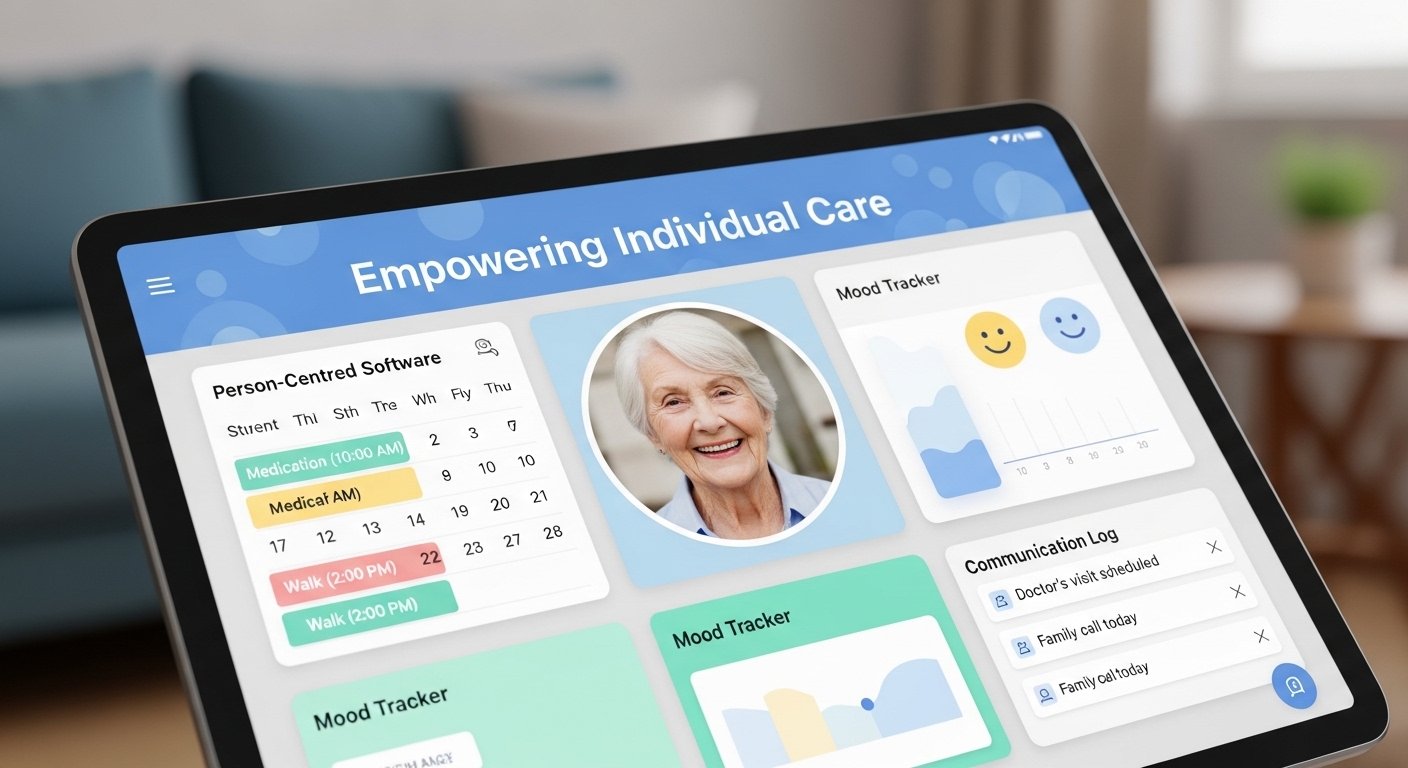
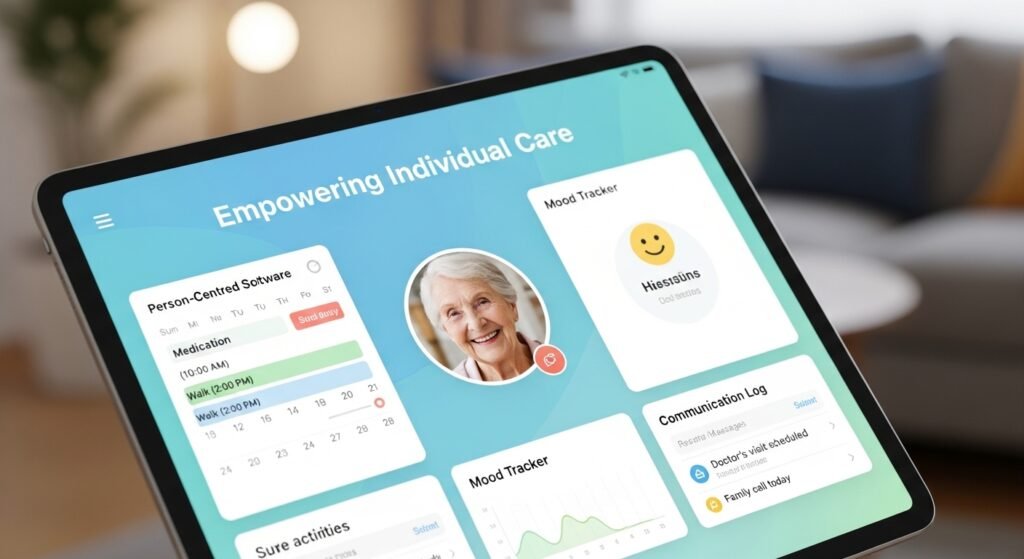
A person centred software app is a simple digital tool that supports this special kind of care. It works on phones, tablets, or computers. The app keeps all important details about the individual in one safe place. Caregivers can open it quickly during a busy day. This means no more lost paper notes or forgotten preferences. Because the app is easy to use, even new helpers learn it fast. In addition, it updates in real time so the whole team stays informed.
The app also protects private information with strong safety steps. Only the right people can see the records. This builds confidence for families and care workers. Another thing is that it helps turn big care ideas into everyday actions. For instance, the app reminds helpers about a person’s favorite color or bedtime story. That small touch makes the day feel warmer and more personal.
How the App Works in Everyday Care
Caregivers start the day by checking the app. They see a short profile of the individual right away. This includes likes, dislikes, and any special requests. After that, they record what happens during the morning routine. They might note if the person ate well or enjoyed a chat. The app uses simple buttons and pictures so writing takes little time. This means more minutes spent talking and laughing together instead of filling forms.
Later in the day, the team looks at updates from others. One helper might share that the person felt tired after lunch. Another adds a happy moment from a group activity. Because everyone sees the same notes, they adjust plans quickly. For example, they might choose a quieter activity next. Over time, these small changes create smoother days and fewer problems. Families can also check safe updates from home. This keeps them close even when they live far away.
Important Features That Make the App Useful
Many person centred software apps include clear personal profiles. These hold life stories, hobbies, and goals in simple words. Caregivers read them often to stay reminded. Another helpful part is daily care notes. Helpers tap quick icons to show meals, mood, or activities. This keeps records neat and fast.
In addition, the app often has reminder alerts. It might tell the team when it is time for a favorite song or a family call. Shared calendars help plan visits or doctor checks without mix-ups. Some apps let families add photos or messages too. This brings joy and new memories into the records. Because all these features connect together, the app feels like a helpful friend rather than a complicated machine.
Benefits for Caregivers and Care Teams
Care teams save time when they use a person centred software app. They spend less effort on paperwork and more on real conversations. This reduces stress and helps them feel happier at work. For example, a nurse can see past notes in seconds and know exactly what the person enjoys. That quick look prevents mistakes and builds stronger relationships.
Teams also communicate better because everyone reads the same updates. Doctors and helpers stay on the same page. In addition, the app creates simple reports for meetings. These show patterns over weeks or months. Caregivers notice what works well and what needs change. Over time, this leads to smarter plans and fewer surprises during shifts. Many teams say they feel more confident and less rushed each day.
Benefits for People Who Receive Care
The individual feels more in control when a person centred software app guides their support. Care matches their own wishes instead of a standard list. This brings comfort and dignity every single day. For instance, someone who once worked as a teacher might enjoy reading stories to children. The app helps make that happen regularly.
Because preferences stay front and center, people smile more and worry less. They eat better, sleep better, and join activities they love. Over time, this improves their overall health and mood. Friends and family see the positive change too. The person feels respected as a whole human being, not just a patient. That sense of value can make a big difference in how they face each new day.
How Families and Friends Stay Connected
Families play a key role in good care. A person centred software app makes it easy for them to join in. They can view gentle updates about daily life from their own phones. This means they know when their loved one had a good walk or tried a new meal. They might even send a short encouraging message that the team reads aloud.
In addition, families can share old photos or fun stories through the app. Caregivers learn new details that brighten the person’s day. Because of this two-way flow, everyone works as one big team. Over time, the bond between family and care staff grows stronger. No one feels left out or unsure. This teamwork creates a warmer circle of support around the individual.
Simple Examples from Daily Life
Think about an older man named Mr. Lee who misses his fishing trips. The app notes this love clearly. Helpers plan short pond visits when weather allows. They record how happy he looks afterward. Everyone sees the smile and keeps those outings going. Another example is a young woman named Anna who feels nervous in crowds. The app reminds the team to give her quiet time first. After that, she joins small groups more easily and makes new friends.
These real-life touches show how the app turns ideas into actions. Each story builds on the last because the records connect everything. Families hear about these moments and feel grateful. That is why the tool keeps growing in popularity year after year.
Things to Think About for Good Results
Care teams do best when they train everyone to use the app well. Short practice sessions help new staff feel comfortable right away. It is also smart to update information often so the profile stays fresh. Families should learn how to check notes safely too. This keeps the circle of care complete.
Another thing is to choose simple language inside the app. Clear words prevent mix-ups. Over time, teams can review how the tool helps and make small improvements. Because care needs change, staying flexible matters most. With steady effort, the person centred software app becomes a natural part of daily life.
Looking Ahead to New Possibilities
Care tools keep improving as technology grows. Future person centred software apps may offer gentle reminders based on patterns they notice. They might connect safely with health watches to track sleep or steps. This gives extra helpful clues without invading privacy. Teams could see trends earlier and adjust support sooner.
In addition, more voice features may let people speak their own wishes directly into the app. This keeps the individual even more involved. Families might join video calls through the same tool for quick chats. Because these changes focus on the person first, care will feel even kinder and smarter in the years ahead.
Wrapping Up the Power of Personal Care Tools
A person centred software app brings many quiet improvements to daily support. It helps teams remember unique stories, plan thoughtful days, and stay connected with families. Caregivers enjoy less stress while individuals feel more respected and happy. Over time, these small steps create bigger changes in comfort and trust. Everyone works together toward the same caring goal.
The journey starts with simple choices and grows into lasting benefits. When care feels truly personal, life shines brighter for all involved. Think about the difference one thoughtful reminder or shared memory can make. With tools like this, we move closer to support that honors every person’s own path.
Disclaimer
This article is for informational purposes only and does not provide medical, professional, or legal advice. The information is general and based on common care practices. Readers should always consult qualified healthcare professionals, care experts, or legal advisors for decisions about individual care needs or software choices. No specific products, services, or companies are endorsed or recommended here.
Explore More:
Perfect Draft App: The Ultimate Fantasy Draft Tool for Winning Leagues
OSM Scout App: Best Offline Maps & Navigation Tool in 2026
About the Author