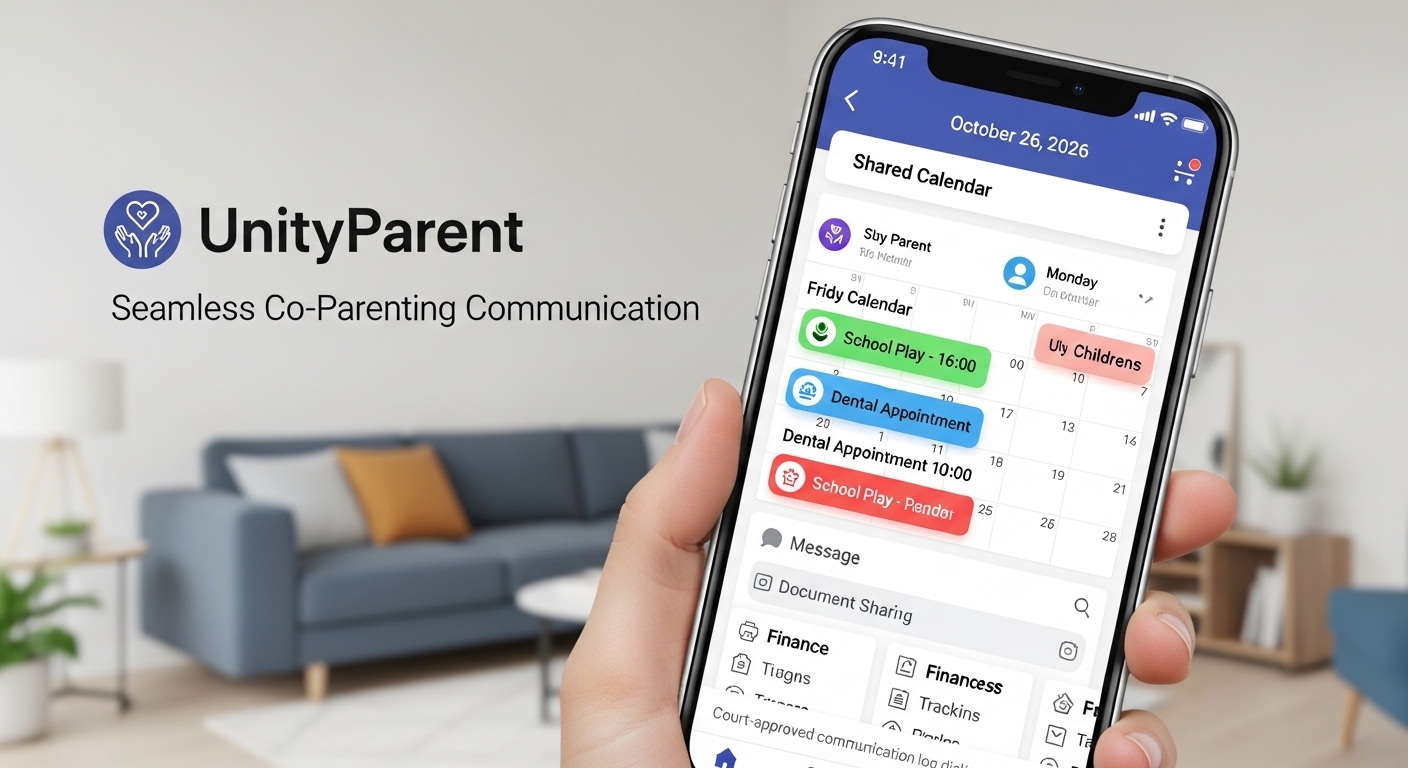
Many parents in the UK go through separation or divorce. When this happens, they still need to raise their children together. This is called co-parenting. Good communication helps a lot because it keeps things calm and focused on what is best for the kids. A parenting app UK can make this easier. These special apps let parents talk safely, share schedules, and track important details without mixing personal messages. In 2026, many families look for a free co-parenting app that feels simple and trusted. This article explains how such apps work, why they matter, and what to think about when choosing one.
Why Co-Parenting Apps Help Families After Separation
When parents live in different homes, daily life gets busy. One parent might need to tell the other about a school event or a change in pickup time. Without a clear way to talk, small things can turn into big arguments. A co-parenting app solves this problem by putting everything in one safe place.
For example, imagine a mum in Manchester and a dad in London. They use the app to send messages about their son’s football practice. The app keeps a record of what they say, so there is no confusion later. This means both parents feel more secure. Over time, better communication reduces stress for everyone, especially the children. Kids notice when parents argue less, and they feel happier and safer.
Another thing is that courts in the UK sometimes suggest or order parents to use these tools. Cafcass, which helps families in court cases, often talks about clear and positive ways to communicate. A parenting app for communication supports this goal because it keeps talks about the children only. Personal topics stay out, which helps parents stay respectful.
What Makes a Good Free Co-Parenting App in the UK
Not every app works well for UK families. The best co-parenting app UK needs to feel easy for beginners. It should work on phones and computers so both parents can check it anytime. Most important, it must keep information private and safe.
A free co-parenting app usually offers basic messaging and a shared calendar. This calendar shows when each parent has the children. Parents can add notes about doctor visits or holidays without calling or texting on personal phones. In addition, some apps let parents track shared costs, like clothes or school trips. This helps avoid fights about money.
Because many families want something court-approved, they look for apps that save messages exactly as sent. These records cannot be changed, so if questions come up later, everyone can see the true story. This feature makes the app useful if parents ever need to show proof in family court. Free co-parenting app options in 2026 still exist, though some popular ones have added small costs or fee waivers for families who need help.
Key Features to Look For in a Co-Parenting App UK
When you start using a co parenting app, check a few simple things first. Does it have a shared calendar that both parents can update? This is very helpful for planning school terms, birthdays, and visits. Next, look at the messaging part. Good apps let you send short notes that stay saved forever. This way, you can prove what was agreed without old texts getting lost.
Another useful feature is expense sharing. For instance, one parent buys new shoes for the child. They add a photo and the cost in the app. The other parent sees it clearly and can reply. This keeps money talks fair and simple. Some apps also allow audio or video calls inside the app, so conversations about the kids stay recorded if needed.
In 2026, many parenting apps UK also work well with phones. You get notifications when the other parent sends something new. This means you do not miss important updates. Also, privacy settings let you hide your phone number or email. That feels safer, especially if past arguments were difficult.
A real-life example comes from many UK parents who share stories online. One dad said he used to argue every week about pickup times. After switching to a co-parenting app, he added the schedule once, and both sides followed it. Small changes became easy to agree on inside the app. That peace helped his daughter relax more during handovers.
How Parenting Apps Support Better Communication
Communication is the heart of successful co-parenting. A good app guides parents to talk only about the children. This rule stops old relationship issues from mixing in. For example, instead of sending angry texts at night, parents write calm messages during the day inside the app. Over time, this habit builds better habits.
Many apps show messages with dates and times. This clear record helps when one parent says, “I told you about the parents’ evening.” The other can check and see the exact words. Because everything stays neutral, arguments happen less. That’s why so many solicitors and family helpers recommend these tools.
Parents also learn to keep messages short and kind. Simple words like “Pickup at 4 pm works. See you then” work better than long complaints. In addition, some apps have ways to suggest changes politely, like requesting a swap for a weekend. The other parent can approve or suggest another time. This step-by-step process makes decisions feel fair.
Cafcass parenting resources often remind families that good communication protects children from feeling caught in the middle. When parents use one parenting app for communication, kids do not carry messages between homes. They can just enjoy time with each parent.
Court-Approved Aspects and What UK Families Need to Know
In the UK, no single app is officially “approved” by all courts in the same way. However, some co-parenting apps are well known and accepted by judges, solicitors, and Cafcass workers. Their records often get used as evidence because they are secure and cannot be changed.
For high-conflict cases, courts may order parents to use a specific tool for all child-related talks. This order helps everyone stay accountable. Free co parenting app court-approved options give families a good starting point without extra cost at first. Parents should always check with their own solicitor about what works in their local court.
Another important point is data safety. UK laws protect personal information, so choose apps that follow these rules. This means your messages and calendar stay private unless you choose to share them. In 2026, families notice that trusted apps offer clear privacy controls.
Here is a simple tip: start small. Try basic messaging and the calendar for one month. See how it feels. If both parents agree it helps, keep using it. If something feels missing, look for other features like expense logs.
Common Mistakes to Avoid When Choosing and Using a Co-Parenting App
Many parents make small mistakes at the beginning. One common error is using the app for non-child topics. This can cause more tension. Stick to talks about health, school, schedules, and costs only. Another mistake is forgetting to check the app regularly. Set a habit, like looking once each morning and evening. This prevents missed messages.
Some parents expect the app to fix every problem by itself. Remember, the app is just a tool. Both sides still need to try hard to stay calm and fair. If one parent refuses to use it, talk to a mediator or solicitor for next steps.
Also, avoid deleting old messages even if the app lets you in some cases. Keeping everything helps if questions come up later. In addition, do not add too many extra people to the app unless the court allows it. Keep it simple between the two parents.
A helpful example: Sarah and Tom argued often about money for their son’s activities. They started using a free co-parenting app and added every cost with a photo. After a few weeks, they saw the pattern clearly and agreed on a fair way to split bills. Their arguments dropped, and they felt more in control.
Practical Tips for Getting Started with a Parenting App
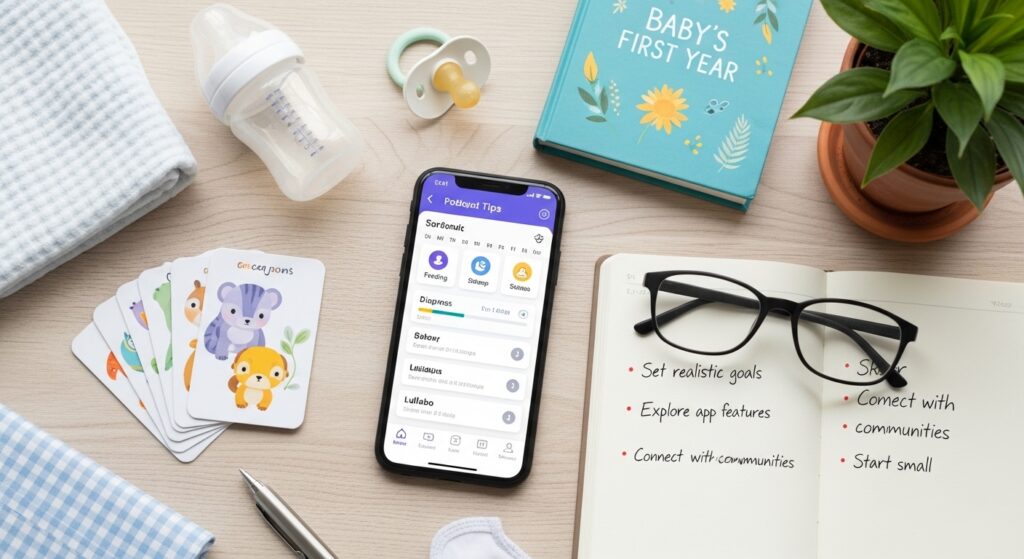
Starting is easier than you think. First, both parents should download the same app on their phones. Create accounts using clear names and agree on basic rules together. Next, set up the shared calendar with regular schedules, like school days and weekends. Add important dates such as birthdays and medical appointments early.
After that, practice sending a few test messages. Keep them short and friendly. Over time, you will get used to the flow. If children are old enough, some apps let them see parts of the calendar so they know the plan too. This can make transitions smoother for them.
Another tip is to review the schedule together once a month. Talk about any changes calmly inside the app. This habit builds trust slowly. If costs come up, add them right away with details. Clear records help everyone remember what was agreed.
For busy parents, set phone reminders for checking the app. Many families say this small step stops small problems from growing big. Also, celebrate small wins, like a week with no arguments. It shows the app is working and keeps motivation high.
How Co-Parenting Apps Help Children in the Long Run
Children benefit most when parents use these tools well. Kids feel less worried when they see smooth handovers and calm talks. They do not hear arguments about schedules or money as often. Over time, this creates two happy homes instead of tension.
For example, a young girl might worry about forgetting her swimming kit at dad’s house. With the app, mum can message ahead, and dad confirms he has it ready. The girl feels supported by both parents working together. That sense of teamwork helps her confidence grow.
In addition, good co-parenting teaches children healthy ways to solve problems. They watch their parents use clear communication and respect boundaries. These lessons stay with them as they grow up. Many parents notice their kids seem more relaxed and do better at school when home life feels steady.
Staying Safe and Respectful While Using the App
Safety matters a lot. Choose apps that let you control who sees your information. Never share passwords or personal details outside the app. If you feel unsafe, tell a trusted friend, family member, or professional right away. Some apps have extra features for high-conflict situations, like tone checks that suggest kinder words.
Always focus messages on the child’s needs. This keeps the app a positive space. If emotions run high, wait a little before replying. A short walk or deep breath can help you write something calm. Over months, this practice makes co-parenting feel more natural.
Looking Ahead to Co-Parenting in 2026 and Beyond
In 2026, technology keeps improving how parents work together. New updates in co-parenting apps make calendars smarter and messages even clearer. UK families benefit because many apps now consider British holidays and school terms. Free options or low-cost plans with help for families in need make these tools reachable for more people.
The main goal stays the same: help children grow up feeling loved by both parents. A parenting app UK supports this by reducing daily stress. When communication flows smoothly, parents have more energy for fun times with their kids.
As you think about your own situation, remember every family is different. What works for one couple might need small changes for another. Try things step by step and adjust as your children grow. The effort you put in now can create years of smoother co-parenting.
In the end, a good co-parenting app is like a helpful bridge between two homes. It carries important information safely so parents can focus on raising happy, confident children. With patience and clear use, many families find more peace and teamwork than they expected. Your children will thank you for choosing tools that put them first.
Disclaimer:
This article provides general information only and is not legal advice. Co-parenting situations vary, and court requirements differ by case. Always consult a qualified solicitor, mediator, or Cafcass for advice specific to your family. App features, pricing, and court acceptance can change, so check directly with any service before use. No specific products, services, or websites are endorsed here.
Explore More:
Chat Board App Review 2026: Download, Login, Features, Is It Safe & Free?
About the Author