Imagine you wake up one morning and feel really good about yourself. You look in the mirror and smile because you like who you are. You feel strong enough to try new things at school or play with friends without worrying too much. That warm happy feeling inside is called self esteem. Many kids and even grown-ups want to feel this way every day. A self esteem app is like a friendly helper on your phone or tablet that gives you small easy ways to grow that good feeling bit by bit. It matters because when you believe in yourself more, you enjoy life better, make friends easier, and try harder at things you love. Now let’s explore together how such an app can help you build confidence and feel better every single day.
What Is Self Esteem and Why Does It Matter So Much
Self esteem is the quiet voice inside your head that says nice things about you. It is how much you like and trust yourself. When your self esteem is strong, you feel ready to learn new skills or speak up in class. For example, if you draw a picture and think “I did my best and it looks nice,” that is good self esteem helping you. On the other hand, if you always think “I am not good enough,” it can make you feel sad or scared to try.
That’s why taking care of self esteem is important for everyone, even young children. It helps you stay kind to yourself when things go wrong. Over time, strong self esteem makes school days happier and playtime more fun because you worry less about what others might think. A self esteem app can gently remind you of your good points and guide you through simple steps to feel better inside.
How a Self Esteem App Works in Simple Steps
A self esteem app is a special program you open on a screen. It starts by asking easy questions about how you feel today. After that, it gives you short activities that only take a few minutes. These activities are like little games or quiet thinking times that help your mind focus on happy thoughts.
Next, the app might show you a bright picture or a short story about a child who learned to feel proud. You follow along by tapping buttons or writing one or two words. Because everything is made simple and colorful, even young kids can use it without getting tired or confused. The app remembers what you did before, so each day it builds on yesterday’s small wins. This means you see your progress slowly growing, like a tiny plant turning into a strong tree.
Another thing is that many self esteem apps let you choose your own path. If you feel shy one day, you pick the “brave steps” part. If you feel sad, you choose the “happy thoughts” section. The app changes with you, so it always feels just right.
Daily Habits That Help You Feel More Confident
Inside a self esteem app, you often find daily habits that are easy to start. One habit is saying three kind things about yourself each morning. For instance, you might say “I am a good friend because I share my toys” or “I try hard when I read books.” After that, the app might ask you to draw a quick smiley face next to each kind thought.
In addition, the app teaches you to notice small successes during the day. Maybe you helped your mom carry a bag or learned a new word at school. The app lets you write or record these moments so you can look back later and feel proud. Over time, these little notes add up and remind you that you do many good things every day.
Now let’s talk about breathing exercises that many apps include. When you feel worried, the app shows you how to breathe in slowly like smelling a flower and breathe out like blowing a candle. This simple action calms your body and helps your mind think clearer. Because your body feels calmer, your self esteem voice gets louder and kinder.
Fun Games and Activities Inside the App
Self esteem apps turn learning into play because kids learn best when they are having fun. One game might ask you to collect stars by completing tiny challenges, such as naming one thing you like about your smile or your laugh. Each star you earn makes a colorful garden grow on the screen, which feels exciting to watch.
For example, there could be a story mode where you help a cartoon character named Alex face a hard day at school. You choose what Alex says to himself, like “I can try again” instead of “I give up.” When you pick the brave choice, Alex smiles bigger and the story continues happily. This means you practice good self talk without even noticing you are learning.
Another activity is the mirror game. The app uses your phone camera so you can look at your own face while saying positive words. It feels silly at first, but soon it becomes natural and makes you giggle. These games add fresh joy because they mix movement, colors, and sounds in ways that keep your attention.
Tracking Your Feelings and Seeing Real Growth
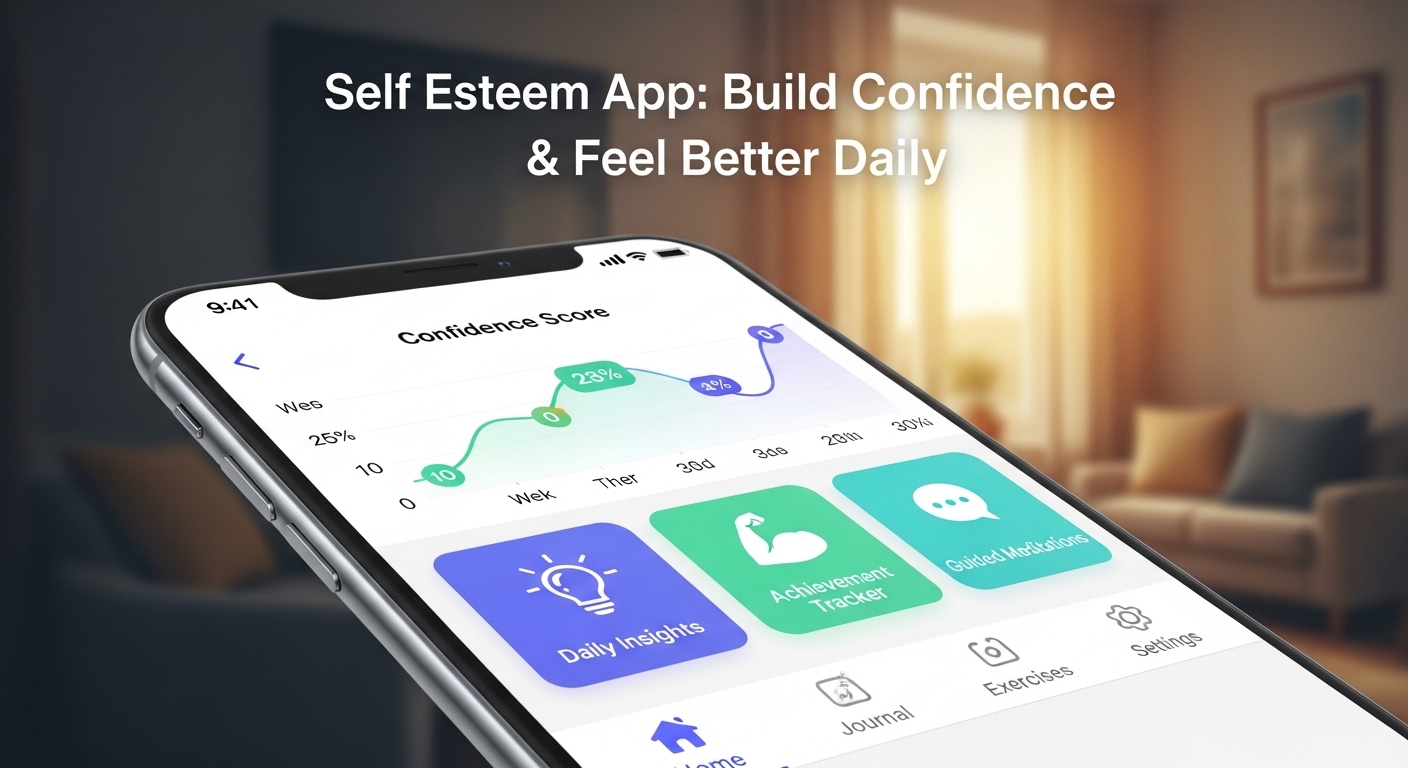
One helpful part of a self esteem app is the feeling tracker. Each evening you pick a face that shows how you felt that day—happy, okay, or a little sad. The app draws a simple chart so you can see patterns. Maybe you notice that after playing outside you feel stronger inside. Or perhaps talking with a friend makes your confidence grow.
This tracking helps because it shows you what already works well in your life. Next, the app suggests small changes based on your own information. If rainy days make you feel low, it might offer an indoor activity like dancing to music. Over weeks and months, you watch your average mood line go up, which feels encouraging.
In addition, some apps let you set gentle goals, such as “smile at one new person this week” or “try a new food without saying no right away.” When you reach a goal, colorful fireworks or cheerful music celebrate with you. That celebration makes your brain remember the good feeling, so you want to keep going.
Learning to Be Kind to Yourself on Tough Days
Everyone has days when things do not go perfectly. A self esteem app teaches you how to be your own good friend during those times. Instead of thinking mean thoughts like “I am bad at this,” the app guides you to say “It is okay to make mistakes because everyone learns from them.”
For instance, if you spill your drink at lunch, the app might have a quick lesson that helps you laugh about it and move on. It shows short videos or pictures of other kids who had the same accident and still felt okay afterward. This new perspective helps you forgive yourself faster.
Another thing the app does is share calming stories at bedtime. These stories talk about characters who felt worried but remembered their strengths and fell asleep with peaceful hearts. Because you hear these ideas regularly, your mind starts to use them automatically even when the phone is away.
Connecting with Others and Building Real Friendships

Self esteem grows stronger when you feel connected to people around you. Many apps include safe and simple ways to think about friendships. You might answer questions like “What makes a good friend?” and then remember times when you were kind to someone. This activity reminds you that you already have the qualities that make friendships nice.
Next, the app could suggest easy conversation starters for real life, such as “I like your drawing—can you tell me about it?” Practicing these in the app makes you feel less nervous when you try them with classmates. Over time, you notice that people smile back more often, which lifts your confidence even higher.
That’s why the best self esteem apps never keep you only on the screen. They gently encourage you to use what you learn in the real world with family and friends. This balance keeps everything healthy and fun.
Making Self Esteem Part of Your Everyday Routine
To get the most help, it is good to open the self esteem app at the same time each day. Some kids like to use it right after breakfast so the day starts with positive energy. Others choose bedtime because it helps them end the day feeling calm and thankful.
After that, you can combine the app with other simple habits, like drawing in a notebook or telling one good thing to your family at dinner. When these actions become a routine, they feel as normal as brushing your teeth. Your confidence grows steadily because you practice every day without getting bored.
In addition, the app often sends friendly reminders that pop up softly, like “Time for your happy thought today!” These gentle nudges help you stay on track even when life gets busy with school or sports.
How Progress Feels Over Time
At first, using a self esteem app might feel like planting tiny seeds. You do not see big changes right away, but something good is happening underneath. After a few weeks, you might catch yourself thinking kinder thoughts without the app’s help. That moment feels surprising and wonderful.
Months later, you could notice that you raise your hand in class more often or try a new game on the playground. Friends might even say you seem happier and brighter. These real-life signs show that the daily practice is working deep inside you.
Because each person grows at their own speed, the app lets you move forward without pressure. Some days you do more activities, other days just a quick check-in. The important part is that you keep coming back and celebrating every small step.
Stories of Kids Who Felt Better
Think about a girl named Mia who felt nervous about reading aloud. She started using a self esteem app and practiced positive words every morning. Slowly she began to believe she could do it. One day she read a whole page in class and everyone clapped. That success made her want to try even more new things.
Another boy named Sam worried about making mistakes in sports. The app helped him focus on effort instead of perfect results. After that, he enjoyed playing soccer more because he was not afraid of falling down. His teammates noticed he smiled more during games, and soon Sam felt like part of the team.
These kinds of stories happen for many children who use tools like a self esteem app regularly. Each story is different, but they all show how small daily actions can create big happy changes.
Keeping Your Self Esteem Healthy for a Long Time
Once you start feeling better, it is smart to keep caring for your self esteem like you care for a favorite plant. A self esteem app can become a lifelong friend that you visit when you need extra support, such as before a big test or after moving to a new school.
Another helpful idea is to share what you learn with trusted adults. Tell your parents or teacher about a fun activity from the app. When they understand, they can cheer you on and add their own kind words.
Over the years, you will discover new ways to build confidence that fit your growing interests. The foundation you build now with simple daily steps will help you face bigger challenges later with a brave and gentle heart.
Conclusion: A Brighter You Every Day
Building self esteem is like taking a wonderful journey where each day adds a little more light inside you. A self esteem app offers easy tools, fun games, and kind reminders that help you like yourself more and face the world with confidence. From morning thoughts to evening reflections, from games that make you smile to trackers that show your growth, every part works together to help you feel better daily. When you practice these gentle habits, you create a strong and happy voice inside that stays with you for many years. Remember, feeling good about yourself is a skill you can learn step by step, and every small effort counts.
Explore More:
Best Bat Detector App for Identifying Bats in Real Time
AskMyGP App: Complete Guide for Online GP Appointments
Smartcric App Download: Watch Live Cricket Streaming on Mobile
About the Author