A developmental app is a helpful tool that supports children’s growth and learning. Many parents today look for easy ways to help their kids build new skills every day. These apps turn screen time into smart playtime. They guide children through fun activities that match their age and needs. This means kids can learn while they enjoy themselves. In this article, we will talk about what makes a good developmental app special. We will also explore its benefits and share a simple guide to download one on Android and iPhone devices. Over time, these apps have become better at fitting each child’s unique path. That is why they matter so much for busy families who want the best start for their little ones.
What Is a Developmental App?
A developmental app is a special kind of program made for phones or tablets. It focuses on helping children grow in many areas at once. For example, it might work on thinking skills, talking clearly, moving the body well, or getting along with others. These apps use bright colors, sounds, and touch games to keep kids interested. Because children learn best through play, the app feels like a friendly teacher in their pocket. Another thing is that many developmental apps let parents join in the fun. This builds stronger family bonds while the child makes progress. In simple words, a developmental app turns everyday moments into chances to learn and smile.
Best Features of a Developmental App
One of the best features in a developmental app is personalized learning paths. The app watches how your child plays and then suggests activities that match their level. This means the lessons get a little harder only when the child is ready. For example, if a toddler loves shapes, the app might add counting games next. Another great feature is progress tracking. Parents can see simple reports that show what their child has learned over weeks or months. The pictures and short notes make it easy to understand without any hard work.
In addition, many developmental apps include interactive games that build motor skills. Kids tap, swipe, or drag things on the screen to practice hand and eye coordination. This helps them get better at writing or catching a ball later on. Gamification is another fun part. The app gives stars, cheers, or cute characters as rewards. Children feel proud when they earn these, so they want to keep trying. That is why motivation stays high for a long time.
A useful feature is milestone checklists. These lists remind parents about important steps like first words or walking alone. The app might ask for quick photos or videos to remember these happy moments. Over time, families can look back and see how far their child has come. Parental controls also stand out as a top feature. Moms and dads can set time limits, choose safe topics, or turn off ads. This keeps everything calm and focused on real growth. Finally, some apps offer expert tips from teachers or doctors written in easy language. These short ideas help parents try new activities even when the phone is off.
Benefits of Using a Developmental App
Using a developmental app brings many good things to a child’s daily life. First, it makes learning feel like play instead of work. Kids stay happy and curious because the activities change often. For instance, a child who struggles with numbers might enjoy a game that hides treats behind doors. After a few tries, they learn counting without feeling pressure. This builds confidence step by step.
Another big benefit is better skill building across different areas. The app works on language by reading stories aloud or asking kids to repeat words. It helps with social feelings by showing faces that express happy or sad emotions. Because everything connects, children grow in a balanced way. Parents notice their kids talking more clearly or sharing toys with friends after regular use. That is why many families say the app becomes part of their routine.
Developmental apps also give parents peace of mind. Busy days can make it hard to track every new skill. With the app, you get gentle reminders and ideas to try at home. This means you catch small delays early and talk to a doctor if needed. In addition, the apps work well for children who learn at different speeds. Some kids need extra time with colors or sounds. The app waits patiently and repeats lessons until the child feels ready. Over time, this gentle support leads to stronger problem-solving skills that last into school years.
Another advantage is convenience for modern families. You can use the app during car rides, waiting at the doctor, or quiet evenings. No extra toys or books are required. The phone already has everything inside. This saves space and money while still offering rich experiences. Many parents also share that their children become more independent. They learn to explore the app safely and choose activities on their own. That sense of control helps kids feel grown-up in a safe space.
How Developmental Apps Help at Different Ages
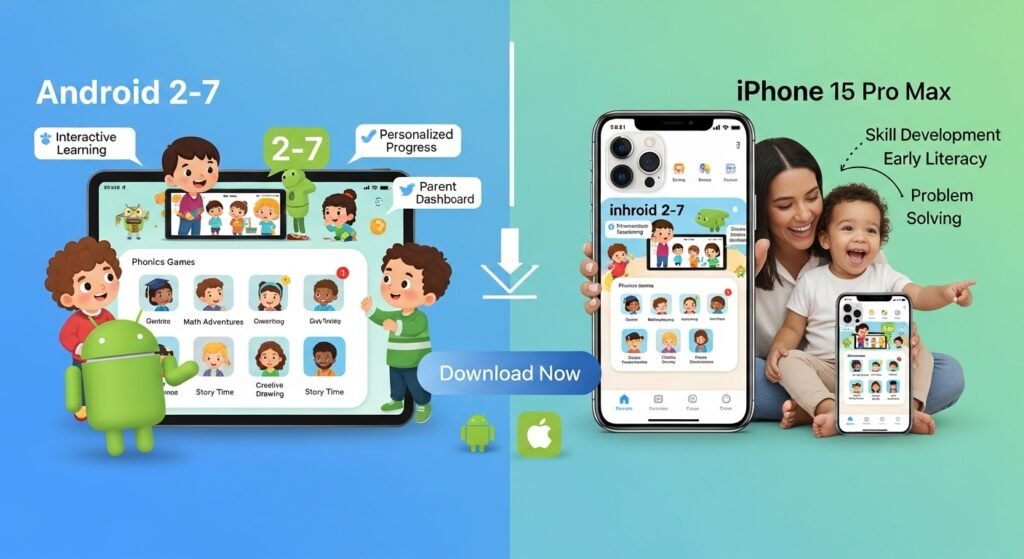
Developmental apps change their style to fit each age group perfectly. For babies under one year, the app uses simple sounds and bright moving shapes. Touching the screen makes music play, which helps babies connect actions to results. This early cause-and-effect learning prepares their brains for bigger ideas later. Toddlers from one to three years enjoy apps with big buttons and animal friends. They practice saying words or stacking blocks on the screen. These games improve speaking and small muscle control at the same time.
Preschool children from three to five get more story-based activities. The app might ask them to help a character solve a puzzle or sort objects by color. This builds early math and thinking skills. Because the stories feel real, kids remember the lessons longer. Another thing is that apps for older preschoolers introduce sharing and waiting turns. Simple role-play games teach kindness and patience. Parents see these lessons carry over to real playground time. In each stage, the developmental app grows with the child so learning never feels boring or too hard.
How to Choose the Right Developmental App
Picking the best developmental app takes a few easy steps. Start by thinking about your child’s age and what skills need extra help. Look for apps that clearly say they match that age on the description page. Next, check if the app has no ads or very few of them. Ads can distract kids and pull them away from learning. Read the privacy information to make sure personal photos stay safe and are not shared without permission.
It also helps to try the free version first if one is offered. Play with your child for a few days and see if the activities keep their attention. Another tip is to read what other parents say in the reviews. Look for comments about how easy the app is to use and whether kids actually learn from it. Finally, choose an app that lets you join in. Shared play time makes the experience richer and more meaningful for everyone.
Download Guide for Android Devices
Getting a developmental app on an Android phone or tablet is quick and simple. First, open the main store where apps live on your device. This is usually found on the home screen with a colorful icon. Tap the search bar at the top and type words like “developmental app for kids” or “learning games for children.” Many choices will appear. Look at the pictures and short descriptions to find ones that sound right for your family.
Next, tap on the app you like. Read the details page carefully. Check the age rating and what permissions it asks for, such as using the camera or microphone. If everything looks good, tap the button that says install or get. Your device will download the app in just a minute or two. After it finishes, the app icon appears on your home screen or in the app drawer. Open it once to set up any quick parent settings. That is all it takes, and your child can start playing right away. Remember to connect to Wi-Fi for the first download so it does not use too much mobile data.
Download Guide for iPhone Devices
Downloading a developmental app on an iPhone or iPad follows almost the same easy steps. Begin by finding the store icon on your home screen. It usually looks like a blue circle with a white letter inside. Tap the search area and enter simple words about child learning or growth activities. Browse through the results and pick the one that fits your child’s needs best.
Tap the app to see more information. Notice the age label and any parent reviews shown. If it feels safe, tap the get button. You may need to enter your password or use your face to confirm. The app will download automatically. Once it is ready, the icon shows up on your screen. Launch the app and follow the short setup questions about your child’s age and interests. Now everything is set for fun learning sessions. Using Wi-Fi helps the process go faster and keeps your data plan happy.
Tips for Safe and Smart Use
Safe use of a developmental app matters a lot for growing minds. Set a daily time limit so screen time does not replace outdoor play or family talks. Many phones have built-in tools to help with this. Sit with your child sometimes and talk about what they see on the screen. This turns the app into a shared adventure instead of a solo activity.
Update the app regularly when your phone suggests it. New versions often fix small problems and add fresh learning ideas. Also, teach your child simple rules like keeping the phone on a table and washing hands before play. If your child shows less interest in real toys after using the app, try mixing in more hands-on games like blocks or drawing. Balance is the key to healthy growth.
Conclusion
Developmental apps offer a wonderful mix of fun and learning for children of all young ages. Their best features, such as personalized paths, progress tracking, and interactive games, make every day a small step forward. The benefits reach far beyond the screen because kids gain confidence, new skills, and stronger family connections. With a simple download on Android or iPhone, parents can start right away and watch their child bloom. Choosing wisely and using the app safely keeps the experience positive and full of joy. In the end, a good developmental app works like a gentle helper that celebrates every little success along the way. Give it a try and enjoy the bright smiles that follow.
Explore More:
Best Single Page Apps (SPA) in 2026 – Examples, Features, Pros & Cons
Balance App Download (Android & iPhone) – Login, Features & Fix Not Working Issue
About the Author