In 2026, apps have become a big part of daily life for everyone. People use them to shop, chat with friends, or manage their work. Because of this, many individuals and businesses now dream of creating their own apps. But before they begin, one important question always comes up. How much does it cost to build an app? App making charges can feel confusing at first. Yet knowing these costs helps you make smart choices. It also stops surprises later on. This article walks you through everything step by step. You will learn what affects the price, how different apps compare, and ways to plan your budget well. After that, you will feel ready to think about your own app idea with clear eyes.
Why Knowing App Making Charges Matters in 2026
Apps keep growing more popular each year. This means more people want to turn their ideas into real mobile tools. For example, a small shop owner might create an app so customers can order easily. A teacher could make one to share lessons with students. In both cases, understanding app making charges is key. It helps you set a realistic budget from the start.
Over time, costs have changed because technology moves fast. In 2026, new tools like better internet connections and smart features play a big role. This also means prices can go up or down depending on what you choose. Knowing the numbers lets you talk clearly with developers. You avoid wasting money on things you do not need. In addition, good planning leads to a smoother project. That is why learning about the cost to build an app now can save you stress later. Many beginners skip this step and feel shocked by the total. But you do not have to face that problem.
Main Factors That Shape App Making Charges
Several things decide the final price of your app. First, think about how simple or advanced your idea is. A basic app with few screens costs less than one with many moving parts. Next, the platforms you pick matter a lot. Some apps work only on phones with Apple systems. Others run on Android phones too. Building for both platforms usually raises the charges because it takes extra work.
Another thing is the design. A clean and fun look makes users happy, but fancy pictures and smooth movements add to the cost. Location of the team also plays a part. Developers in some countries charge lower rates per hour. This means you can save money if you choose carefully. Features like payments or live chats push prices higher too. Because each new part needs more time to build and test. Over time, these choices add up. That is why breaking them down early helps you control app making charges.
How App Complexity Changes the Cost to Build an App
Apps come in different sizes, just like houses or cars. A simple one might show basic information or let users log in. This kind usually costs between fifteen thousand and sixty thousand dollars. It takes about two to six months to finish. For instance, think of a simple note-taking app. You type words and save them. Nothing fancy happens behind the scenes.
Medium apps add more life to the experience. They might connect to online stores or let friends message each other. These often range from fifty thousand to one hundred fifty thousand dollars. Development time stretches to six to nine months. A food delivery app is a good example. Users pick meals, pay, and track the driver. Because of these steps, the work grows.
Complex apps feel like full businesses on your phone. They use smart tools, real-time updates, or connect many users at once. Prices here start at one hundred twenty thousand dollars and can reach four hundred thousand or more. A game with online players or a health tracker with doctor links fits here. In 2026, adding smart computer thinking, called AI, often bumps the price even higher. This happens because testing takes longer to keep everything safe and fast. Understanding these levels helps you match your idea to the right budget.
Different Platforms and Their Effect on App Making Charges
You have choices when it comes to where your app lives. Some people build only for Apple phones. Others focus on Android devices because they reach more users worldwide. Making the app for one platform keeps costs lower at first. After that, you can add the second one later if the app does well.
Building for both at the same time raises app making charges. Developers must write code twice or use special shared tools. Shared tools can cut time by about thirty percent, which feels like a nice saving. Yet they still need careful checks to work smoothly on every phone. In addition, each platform has its own rules for stores where people download apps. Following those rules adds small fees too.
For example, a fitness coach might start with just Android to test the waters. Later, happy users ask for an Apple version. This step-by-step choice controls the total cost to build an app. It also gives you time to learn what works best.
Breaking Down the Steps in App Making Charges
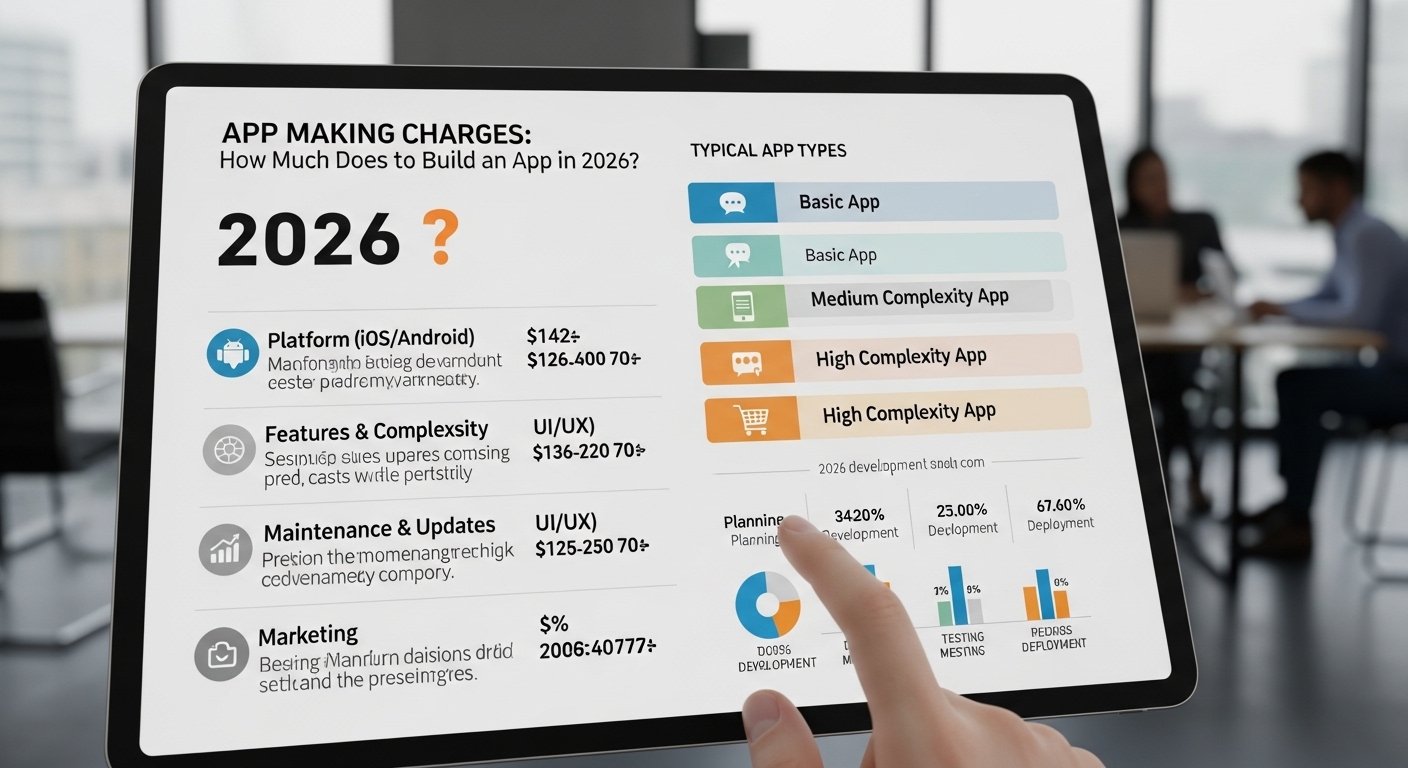
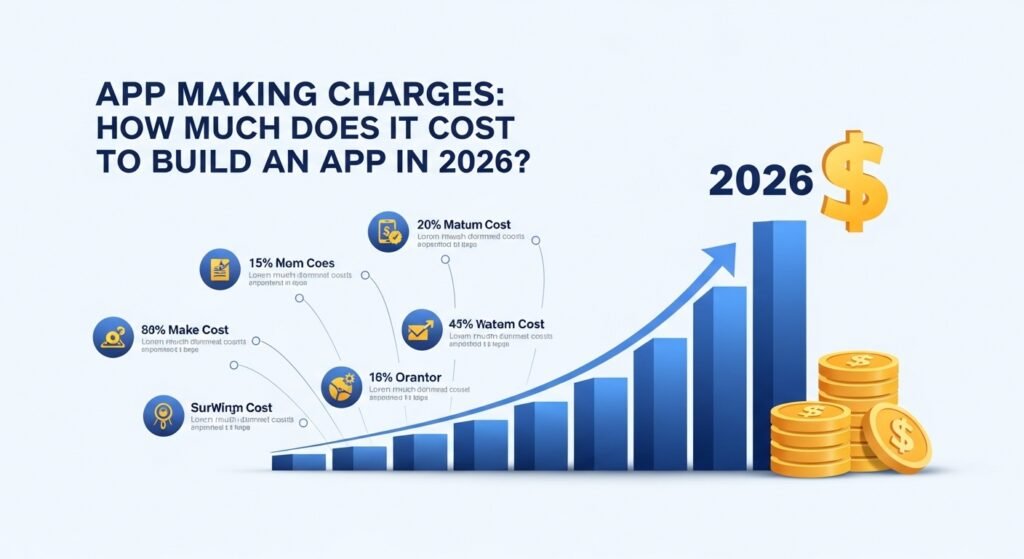
App making charges do not come as one big bill. Instead, they spread across clear steps. First comes planning. You sit with experts and list every feature. This part takes about ten percent of the budget. It feels like drawing a map before a long trip.
Next, designers create the look and feel. They draw screens that are easy to touch and read. This step often uses fifteen percent of the money. Good design makes people want to keep using the app. After that, the real building begins. Programmers write the code that makes everything work. This is the biggest slice, around forty to forty-five percent. It includes connecting buttons to databases and making sure data stays safe.
Testing comes after development. Experts try the app on many phones to find mistakes. They fix bugs so nothing crashes when real users open it. This part takes fifteen to twenty percent. Finally, the app goes live in stores. Small fees for listing apply here. Once it launches, updates and fixes keep it fresh. Because each step builds on the last one, skipping any part can cause bigger problems later. That is why a full breakdown gives you a clear picture of the cost to build an app.
Hidden Costs That Surprise Many People
Many beginners forget about costs after the app is ready. Maintenance is one big example. Each year, you might spend fifteen to twenty-five percent of the first price to fix issues and add small improvements. Phones get new updates, so your app must match them.
Servers and storage also add up. If your app saves user pictures or messages, you pay for space in the cloud. Payment tools take a small cut from each sale too. Marketing is another area. Even the best app needs users to find it. Ads or store listings cost extra money.
In addition, legal checks for privacy rules take time and sometimes fees. These hidden parts can raise the total by twenty percent or more. For a shopping app, think about how refunds or customer help lines work. Planning for them early keeps app making charges from growing too fast. This means you stay in control from day one.
Real-Life Examples of App Making Charges
Let us look at simple stories to see costs in action. Imagine Sarah runs a small bakery. She wants an app for orders and pickups. It is basic with a menu and simple payment. Her app making charges land around thirty thousand dollars. The project takes three months. She launches it and sees happy customers right away.
Now consider Mike, who owns a ride-sharing service. His app needs maps, live tracking, and payments for many users. Because of the real-time features, it costs about one hundred eighty thousand dollars. Development lasts eight months. Yet the extra features bring in steady business that pays back the investment over time.
Another example is a school app for homework reminders. It stays simple, so charges stay under fifty thousand dollars. These stories show how your goals shape the price. They also prove that starting small and growing works well for many people. In 2026, such examples help new creators picture their own path clearly.
Trends That Affect Future App Making Charges
In 2026, new ideas keep changing how much apps cost. Faster internet lets apps run smoother without big price jumps. Smart computer features are now common in many projects. They help apps guess what users want next. Yet adding them still raises charges a little because extra testing is needed.
Cross-platform tools are becoming easier too. This trend means one set of code works on more devices. Over time, it lowers costs for many teams. Privacy rules are stricter now, so builders spend more time keeping data safe. That adds a steady cost but builds trust with users.
Because technology improves every year, prices for basic parts sometimes drop. At the same time, user expectations rise. People want fast, pretty apps that work everywhere. Balancing these trends helps you plan smart. It also means checking costs each year before you start a new project.
How to Plan Your Budget for App Making Charges
You can take simple steps to manage the cost to build an app. Start by writing a clear list of must-have features. Put nice-to-have ideas on a later list. This keeps the first version affordable. Talk to a few development teams and ask for clear quotes. Compare them side by side.
Think about making a small test version first. It shows if people like your idea without spending the full amount. After that, you can add more if it succeeds. Choose a team that explains every charge in plain words. Good communication stops mix-ups later.
In addition, set aside money for the hidden costs we talked about. This way, your project stays on track. Many creators who plan like this feel happy with the results. They watch their app grow without money worries.
Wrapping Up What You Need to Know About App Making Charges
Building an app in 2026 opens exciting doors for ideas and businesses. App making charges range widely, from fifteen thousand dollars for simple tools to four hundred thousand or more for advanced ones. Factors like features, platforms, and design all play a part. Breaking the process into steps makes the numbers easier to understand. Real examples show that smart planning leads to success at any budget level.
Remember, the cost to build an app is an investment in your future. With clear knowledge, you can move forward confidently. Take time to think about your goals. Talk with experts when you are ready. In the end, a well-made app can bring joy and growth for years to come. Start small, learn as you go, and watch your idea come to life.
Disclaimer: The information provided in this article is for general knowledge purposes only and is based on industry averages in 2026. App making charges can vary greatly depending on specific project requirements, location, team choices, and market conditions. This is not financial advice, a fixed quote, or a guarantee of prices. Always consult professional developers for personalized estimates. All figures are approximate estimates and should be used as a starting point only.
Explore More:
App Dentally – Login, Download, Features & Dental Practice Management Guide
1p Mobile App Download (Android & iPhone) – Login, Setup & Latest Update
About the Author